

The Farewell Sermon (Khutbah Hajjatul Wida) – A Message for All of Humanity
The Farewell Sermon (Khutbah Hajjatul Wida) – A Message for All of Humanity
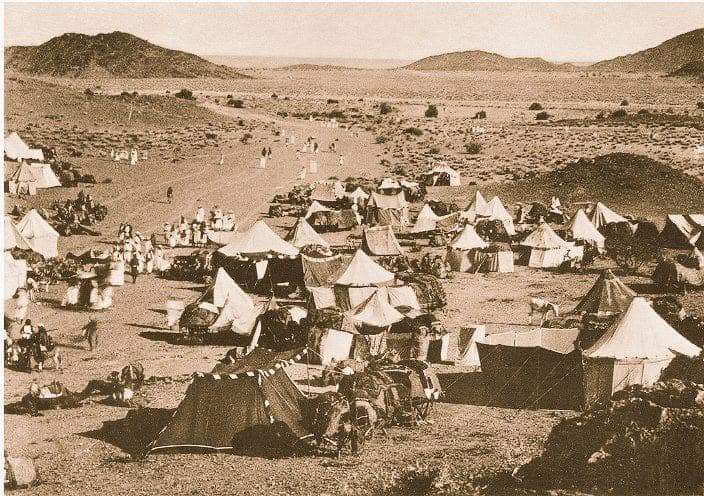
Delivered by the Prophet Muhammad ﷺ in the Plain of Arafat, 9th Dhul-Hijjah, 10 AH (632 CE)
Introduction
One of the most profound and timeless addresses in human history, the Farewell Sermon was delivered by the Final Messenger, Prophet Muhammad ﷺ, during his only Hajj on the 9th of Dhul-Hijjah in the year 10 AH (corresponding to 632 CE) at the Plain of Arafat.
This sermon is not only a summary of Islamic teachings but also a universal declaration of human rights, justice, equality, and moral conduct. The Prophet ﷺ urged that his words be conveyed to those who were not present, highlighting the everlasting relevance of his message.
Key Messages from the Farewell Sermon
1. A Final Address with Great Concern
“O people, listen to me carefully, for I may not be amongst you next year.”
The Prophet ﷺ began with a heartfelt reminder, indicating that this might be his last address to the Ummah. He stressed the importance of listening attentively and passing on his message to others.
2. Sanctity of Life, Wealth, and Honour
“Just as this day, this month, and this land are sacred, so too are the lives, wealth, and honour of every Muslim sacred.”
The Prophet ﷺ declared the inviolability of human life, dignity, and property, making it unlawful to harm or exploit others.
3. Return of Trusts and Avoidance of Harm
“Return the trusts entrusted to you to their rightful owners. Do not hurt anyone so that no one may hurt you.”
This message promotes honesty, trustworthiness, and a society free from oppression and harm.
4. Accountability Before Allah
“Remember, you will meet your Lord and He will hold you accountable for your deeds.”
A reminder of Divine accountability — the true basis for moral consciousness and ethical behaviour.
5. The Prohibition of Usury (Riba)
“All forms of interest (riba) are now cancelled. From this day forward, all usury is abolished.”
The Prophet ﷺ eradicated the economic injustice of interest, promoting financial systems based on fairness and equity.
6. Rights and Responsibilities Toward Women
“You have rights over your wives, and they have rights over you. Treat them with kindness and respect.”
He emphasised mutual rights, compassion, and equity in marital relationships, urging men to treat women as partners and supporters.
7. Avoiding Immorality
“Do not go near adultery.”
A clear command to uphold moral integrity and avoid all forms of immorality and illicit relationships.
8. Pillars of Islam
“Worship Allah alone, perform your five daily prayers, fast during Ramadan, give zakat, and perform Hajj if you are able.”
A brief but complete reminder of the fundamentals of Islam.
9. Racial and Ethnic Equality
“No Arab has superiority over a non-Arab, and no white person has superiority over a black person. You are all equal in the sight of Allah. Superiority is only by piety (taqwa).”
This was a revolutionary declaration of universal human equality, centuries ahead of its time.
10. The Finality of Prophethood
“Know that no prophet will come after me, and no new religion will be revealed.”
He firmly established the finality of his prophethood, and the completion of divine guidance through Islam.
11. Cling to the Qur'an and Sunnah
“I leave behind two things: the Qur’an and my Sunnah. If you follow them, you will never go astray.”
The Prophet ﷺ provided the two essential sources for remaining steadfast in faith.
12. Responsibility to Convey the Message
“Let those who are present convey this message to those who are absent. It may be that the later generations understand it better than those who hear it now.”
He entrusted his Ummah with the duty to spread knowledge, regardless of time or place.
13. The Prophet's ﷺ Final Witness
The Prophet ﷺ raised his face towards the sky and said:
“O Allah, bear witness that I have conveyed Your message to Your people.”
A Final Prayer
May Allah make us among those who listen to this message, implement it, and spread it. May He grant us the love of the Prophet ﷺ in this life and unite us with him in the highest level of Paradise – Jannatul Firdaus. Ameen.
Conclusion
The Farewell Sermon of the Prophet Muhammad ﷺ is a universal guide for morality, justice, equality, and faith. Its words are as relevant today as they were over 1400 years ago. Let us read it, reflect upon it, live by it, and share its light with the world.