

Supplications and Sunnah Acts During Ṭawāf: A Guide for Pilgrims
Supplications and Sunnah Acts During Ṭawāf: A Guide for Pilgrims
Introduction
The Ṭawāf (circumambulation of the Kaʿbah) is a central ritual of Ḥajj and ʿUmrah, filled with spiritual significance and devotion. While engaging in this act of worship, many pilgrims have questions about what supplications to recite and how best to perform Ṭawāf in accordance with the Sunnah.
This guide clarifies the authentic practices during Ṭawāf, highlights common misconceptions, and outlines recommended actions after completing the seven rounds.
Making Duʿā During Ṭawāf
Any Sincere Duʿā Is Accepted
There is no single specific duʿā proven from the Prophet ﷺ for each circuit of Ṭawāf. You may supplicate in your own language, using any heartfelt words, seeking forgiveness, guidance, or blessings.
❗ Avoid relying on booklets that prescribe seven fixed duʿās for the seven rounds. These have no basis in the Sunnah and may distract from meaningful connection during worship.
Performing Ṭawāf: Practical Guidelines
Proximity to the Kaʿbah
-
The closer you are to the Kaʿbah, the greater the virtue.
-
However, due to crowding, Ṭawāf is valid anywhere in Masjid al-Ḥarām, including upper floors.
Doubt in the Number of Circuits?
If you are unsure whether you’ve completed six or seven rounds, assume the lower number (e.g., six), and complete the rest. This is based on the principle of caution in acts of worship.
Walking or Riding
-
Walking is more virtuous, especially for those in good health.
-
However, riding (e.g., wheelchair or mobility aid) is permitted for those in need or when necessary due to crowds.
Timing and Interruptions
-
There is no restricted time for performing Ṭawāf or the two rakʿahs after Ṭawāf—these may be offered at any time, even during makrūh (discouraged) periods.
-
If the prayer time enters, or you need to relieve yourself during Ṭawāf, pause and return to resume from where you left off.
Special Cases
People with continuous bleeding (istiḥāḍah), haemorrhoids, or urinary/gas incontinence may still perform Ṭawāf and offer prayer.
After Ṭawāf: Sunnah Practices
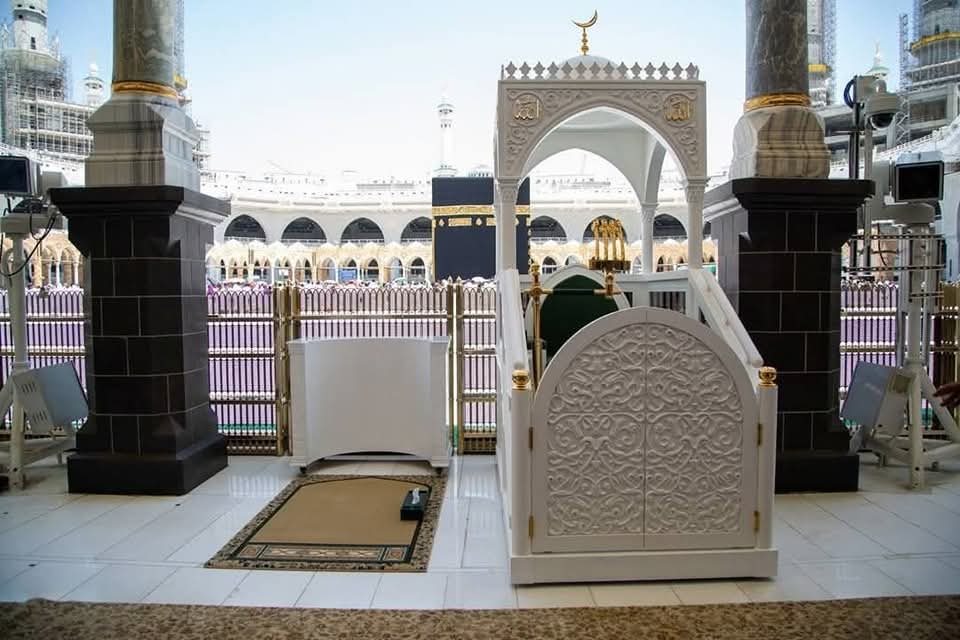
Two Rakʿahs at Maqām Ibrāhīm
After completing the seven circuits:
“And take the Maqām Ibrāhīm as a place of prayer.”
(Surah al-Baqarah 2:125)
-
Offer two rakʿahs with Maqām Ibrāhīm between you and the Kaʿbah, if possible.
-
If crowds prevent this, offer the prayer anywhere within the Ḥaram.
-
Even if forgotten, this prayer can be offered later, whether in the mosque or outside.
Preferred Recitation:
-
1st Rakʿah: Sūrah al-Kāfirūn after Sūrat al-Fātiḥah
-
2nd Rakʿah: Sūrah al-Ikhlāṣ
📖 Though some narrations reverse this order, the Qur’ānic sequence supports the above arrangement.
Supplication After Prayer
Remain seated after the two rakʿahs and engage in personal duʿā. This is a blessed time, and many pilgrims feel great closeness to Allah during these moments.
Drinking Zamzam Water
Once the prayer is complete:
-
Proceed to the Zamzam well.
-
Drink the water with intention—for healing, forgiveness, or guidance.
-
Pour water over your head as the Prophet ﷺ did, especially if you are not fasting.
⚠️ A weak narration mentions washing the face, but full ablution or soaking burial cloths and money is not from the Sunnah.
Use of Zamzam Water
-
The Prophet ﷺ used Zamzam water for the ill, both to drink and to sprinkle over them.
-
It is a blessed water—so use it with sincerity and purpose.
Returning to Ḥajar al-Aswad and Heading to Ṣafā
After drinking Zamzam:
-
Return to Ḥajar al-Aswad for Istilām (kiss, touch, or signal with the right hand).
-
This ensures that the beginning and end of Ṭawāf are both marked with Istilām, just as the Prophet ﷺ did.
Then proceed to Ṣafā via the Bab al-Ṣafā (Ṣafā Gate) to begin the next major rite: Saʿī (walking between Ṣafā and Marwah).
Conclusion
The rites of Ṭawāf are deeply spiritual, and observing them with mindfulness, sincerity, and adherence to the Sunnah brings immense reward. Remember:
-
Any duʿā from the heart is valid—avoid fixed, unfounded scripts.
-
Ṭawāf can be performed at any time.
-
Proximity to the Kaʿbah is meritorious but not mandatory.
-
Zamzam water is a gift—use it wisely.
-
Follow the Prophet’s ﷺ way in all aspects, including Istilām, prayer at Maqām Ibrāhīm, and supplication.
By maintaining these practices, your Ṭawāf will not only be correct but also filled with spiritual serenity and divine connection.