

Key Practices and Authentic Supplications During Ṭawāf
Key Practices and Authentic Supplications During Ṭawāf
Introduction
The spiritual experience of Ṭawāf—circumambulating the Kaʿbah—is among the most powerful and moving aspects of Ḥajj and ʿUmrah. This sacred act is performed with humility, reflection, and heartfelt supplication. But it is important to differentiate between authentic practices and those which are merely cultural or without basis in the Sunnah. This blog post highlights verified duʿās, the etiquette of Ṭawāf, and relevant rulings.
Supplications During Ṭawāf
No Fixed Duʿā for Each Circuit
There is no single, specific duʿā reported from the Prophet ﷺ for each of the seven circuits (shawāṭ) of Ṭawāf. Therefore, there is no harm in making personal duʿās in one’s own language and from the heart.
🔹 Avoid relying on booklets that assign a separate duʿā for each circuit, as there is no authentic basis for this practice.
Duʿā Should Be Sincere and Meaningful
Make duʿā:
-
In Arabic or your native language
-
For yourself, your family, and the Ummah
-
With humility and reflection
General Etiquette and Rulings of Ṭawāf
Proximity to the Kaʿbah
The closer you are to the Kaʿbah, the more virtuous the Ṭawāf becomes. However, due to crowds, it is perfectly acceptable to perform Ṭawāf from anywhere within Masjid al-Ḥarām, including upper floors.
Dealing with Doubt During Ṭawāf
If you become unsure about how many circuits you've completed:
-
Assume the lower number (i.e., the amount you are certain about)
-
Complete the remaining ones accordingly
This precaution ensures your Ṭawāf is valid.
Walking vs. Riding
While walking during Ṭawāf is more virtuous, it is also permissible to use a wheelchair or be carried due to:
-
Illness
-
Disability
-
Overcrowding
-
Weakness or fatigue
Timing of Ṭawāf and Associated Prayers
No Restricted Time for Ṭawāf
-
Ṭawāf can be performed at any time of day or night.
-
The two rakʿahs of Ṭawāf (Ṣalāt al-Ṭawāf) may also be performed at any time, even during times generally discouraged for nafl prayers.
When Interruptions Occur
If your Ṭawāf is interrupted due to:
-
The beginning of an obligatory prayer
-
Needing to use the restroom
You may resume your Ṭawāf from where you left off after addressing the interruption.
After Completing Ṭawāf: Ṣalāh and Zamzam
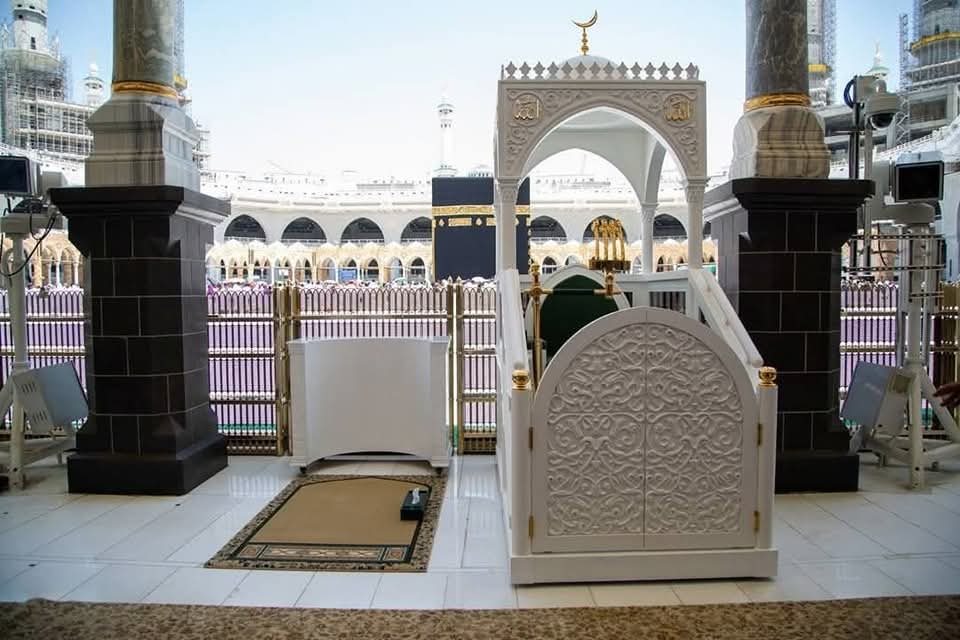
1. Two Rakʿahs at Maqām Ibrāhīm
After finishing seven circuits:
“Take the Maqām Ibrāhīm as a place of prayer.”
(Qur’an, Surah al-Baqarah 2:125)
-
Stand with Maqām Ibrāhīm between you and the Kaʿbah, if possible.
-
If there is crowding, offer the two rakʿahs anywhere in the Masjid.
-
Even if you forget, you may offer them later inside or outside the Ḥaram.
Sunnah Surahs:
-
First Rakʿah: Sūrah al-Kāfirūn
-
Second Rakʿah: Sūrah al-Ikhlāṣ
☝🏼 Some narrations reverse the order, but following the Qur’anic sequence is preferable.
2. Supplication After Prayer
After the two rakʿahs, sit for a moment and make heartfelt duʿā. This is a moment of great spiritual connection and closeness to Allah.
Drinking Zamzam Water
After praying:
-
Proceed to drink Zamzam water.
-
If not fasting, pour it over your head and body for blessing and refreshment.
🟡 The narration about washing the face with Zamzam is weak, so avoid exaggerated practices like full-body baths or soaking money and garments.
Giving Zamzam to the Sick
-
The Prophet ﷺ recommended giving Zamzam water to the ill and sprinkling it on them.
-
It is also a sunnah to drink it with intention, such as for healing, provision, or knowledge.
Returning to Ḥajar al-Aswad and Moving to Ṣafā
After drinking Zamzam:
-
Return to Ḥajar al-Aswad and make Istilām (kiss, touch, or gesture depending on proximity).
-
This ensures both the beginning and end of Ṭawāf are marked by Istilām, as the Prophet ﷺ did.
-
Then proceed to the gate of Ṣafā to begin Saʿī.
Conclusion
Ṭawāf is not just a ritual of circling the Kaʿbah—it is a journey of the heart, filled with remembrance, humility, and sincere connection with Allah. Performing it correctly, avoiding innovation, and following the Sunnah ensures spiritual benefit and divine reward.
Key takeaways:
-
Make any duʿā sincerely—from the heart
-
Avoid fabricated supplications assigned to specific circuits
-
Drink Zamzam with intention and moderation
-
Observe the correct sequence, etiquettes, and humility throughout