

Essential Rulings and Step-by-Step Guide to Hajj
Essential Rulings and Step-by-Step Guide to Hajj
Introduction
Hajj is the fifth pillar of Islam and a once-in-a-lifetime obligation for every able Muslim. Performing it in accordance with the Sunnah of the Prophet Muhammad ﷺ is essential for spiritual fulfilment and reward. This blog outlines the rulings and procedure of Hajj, including the Ihram for Hajj, journey to Mina, Day of Arafah, and the night at Muzdalifah, based on authentic teachings.
Ihram for Hajj and Departure to Mina (8th Dhul-Hijjah)
Entering the State of Ihram
On the 8th of Dhul-Hijjah, known as Yawm at-Tarwiyah, pilgrims should:
-
Perform ghusl (ritual bath).
-
Apply perfume to the body (not the garments).
-
Declare the intention by saying:
"Labbayka ḥajjan" (Here I am for Hajj)
-
Recite the Talbiyah:
"Labbayk Allāhumma labbayk..."
Then set out for Mina.
Prayers in Mina
Pilgrims should perform the following prayers in Mina:
-
Dhuhr, ʿAsr, Maghrib, ʿIshāʾ, and the Fajr of the next morning.
These prayers are to be offered shortened (qaṣr), and this ruling applies equally to local and international pilgrims.
The shortening of prayers is Sunnah, not limited by the pilgrim’s origin.
(Ref: Hadith 175)
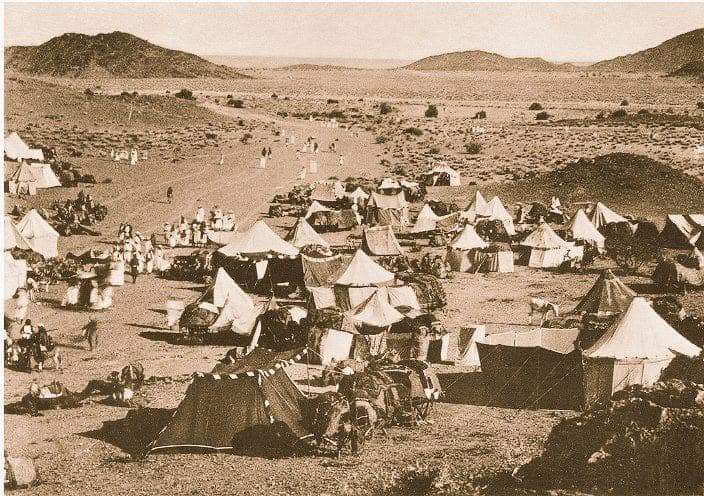
If Space Is Limited in Mina
Due to overcrowding, if a pilgrim cannot find space within Mina and must camp just outside its boundaries (near its end), the Hajj remains valid. The Prophet ﷺ gave concessions in such situations—for example, to shepherds and water carriers such as his uncle, al-ʿAbbās (may Allah be pleased with him).
Day of ʿArafah (9th Dhul-Hijjah)
Travelling to ʿArafah
After sunrise on the 9th Dhul-Hijjah, pilgrims leave Mina for ʿArafāt. It is Sunnah to stop briefly at Wādī an-Naʿmīrah (if possible) until midday (zawāl), then proceed to the Masjid Namirah area.
Pray Dhuhr and ʿAsr together at Dhuhr time (jamʿ taqdīm) in qasr (shortened) form—two rakʿahs each, with one adhān and two separate iqāmah.
If this arrangement is not feasible, head directly to ʿArafāt.
Standing at ʿArafah (Wuquf)
-
The Prophet ﷺ stood at the base of Jabal ar-Raḥmah, but did not climb it.
-
He said:
“I stood here, but all of ʿArafah is a place of standing.”
Pilgrims should engage in dhikr, duʿā, and seeking forgiveness, raising their hands up to the chest, following the Prophet's ﷺ practice.
Fasting on the Day of ʿArafah
-
For pilgrims: Fasting is not permitted.
-
For non-pilgrims: Fasting on 9th Dhul-Hijjah expiates sins of two years (past and future).
The Best Duʿā on ʿArafah
The Prophet ﷺ said the best duʿā on this day is:
“Lā ilāha illa Allāh, waḥdahū lā sharīka lah, lahul-mulku wa lahul-ḥamdu wa huwa ʿalā kulli shay’in qadīr.”
“There is no deity worthy of worship except Allah alone, without partner. His is the dominion, and to Him is all praise, and He is capable of all things.”
Spending this day in supplication, Qur'an recitation, and remembrance is the essence of Hajj.
Journey to Muzdalifah (Night of 9th Dhul-Hijjah)
After sunset, pilgrims depart ʿArafah for Muzdalifah, without praying Maghrib until arrival.
Prayer at Muzdalifah
On arrival:
-
Combine Maghrib and ʿIshā prayers.
-
Maghrib: 3 rakʿahs, ʿIshā: 2 rakʿahs (qasr).
-
One adhān and two iqāmahs are given.
-
-
No other prayers were performed here by the Prophet ﷺ except the five obligatory rakʿahs.
Scholars like Ibn al-Qayyim noted the Prophet ﷺ did not pray Tahajjud that night.
Night Stay and Morning Worship
After Fajr prayer, remain in duʿā and dhikr at Mashʿar al-Ḥarām or anywhere in Muzdalifah until just before sunrise, then proceed to Minā.
Collecting Pebbles for Rami
-
After Fajr or before departure, pilgrims may collect pebbles for stoning at Jamrah al-ʿAqabah.
-
Seven pebbles are needed for 10th Dhul-Hijjah, and 21 daily for the next three days.
-
It is also valid to collect pebbles directly from Minā each day.
Special Concession for Women and the Weak
Women and weak individuals may leave Muzdalifah after midnight, but must still perform Rami at Jamrah al-ʿAqabah after sunrise.
Passing Through Wādī Muḥassir
Between Muzdalifah and Minā lies Wādī Muḥassir, where Abraha’s army was destroyed by birds (as mentioned in Sūrah al-Fīl).
The Prophet ﷺ instructed to pass quickly through this valley.
❗ It is improper to rest or sleep there. Unfortunately, some people today are seen doing so.
Conclusion
This stage of Hajj—from donning the Ihram to arriving at Minā after the night at Muzdalifah—forms the core spiritual journey for pilgrims. Following the Prophet’s ﷺ practices ensures a Hajj that is both valid and spiritually transformative.
✅ Summary Checklist:
-
Enter Ihram on 8th Dhul-Hijjah and proceed to Minā.
-
Spend the night and pray shortened prayers.
-
On 9th Dhul-Hijjah, travel to ʿArafāt, make Wuquf, and engage in duʿā.
-
After sunset, travel to Muzdalifah, pray Maghrib and ʿIshā combined.
-
After Fajr, remain in remembrance, collect pebbles, and proceed to Minā.
May your Hajj be accepted, your sins forgiven, and your journey filled with divine mercy.