


Days of Tashreeq and Staying in Mina
Days of Tashreeq and Staying in Mina
A Guide to the Final Days of Hajj
Introduction
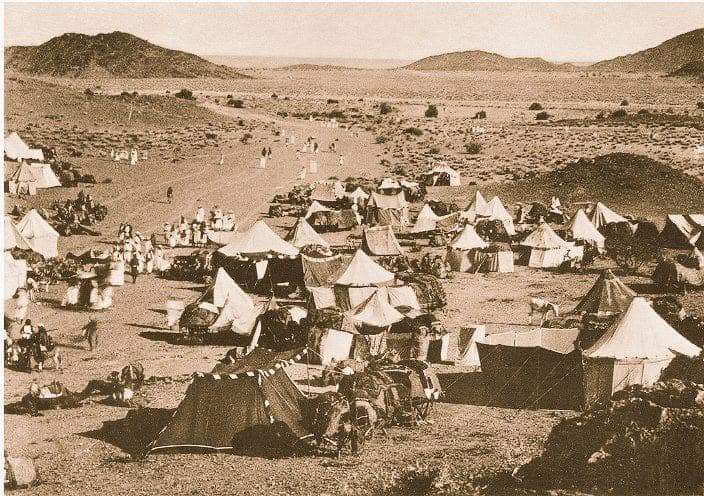
The Days of Tashreeq (11th, 12th, and 13th of Dhul-Hijjah) are an integral part of the Hajj pilgrimage. After performing Tawaf al-Ifadah, pilgrims return to Mina, where they stay for the remaining rituals. These days involve prescribed acts of worship, particularly the stoning of the Jamarat, as well as nightly stays in Mina. Below is a comprehensive guide to understanding and performing the rites of these blessed days.
Return to Mina and Nightly Stay
-
After Tawaf al-Ifadah, pilgrims should return to Mina and spend the nights of the Days of Tashreeq there.
-
It is Sunnah to visit Makkah during the day for Ziyarah and Tawaf of the Kaaba, as this practice is established from the Prophet Muhammad ﷺ.
-
All prayers during these days should be offered at their appointed times and in congregation, but they should be performed in Qasr (shortened form for travellers).
Rami (Stoning of the Jamarat)
Timing and Order
-
On the 11th, 12th, and 13th of Dhul-Hijjah, perform Rami of the three Jamarat after Zawal (midday).
-
Throw seven small pebbles at each Jamarah: first at the small, then the middle, and finally the largest (Jamarah al-‘Aqabah).
Sunnah Method
-
Start with the smallest Jamarah. After throwing, step aside, face the Qiblah, and make du‘a.
-
Proceed to the middle Jamarah. Again, perform Rami, move aside, and make supplication.
-
At the largest Jamarah, perform Rami but do not stop for du‘a, as this is not established from the Sunnah.
The companions of the Prophet ﷺ followed this exact order and method.
Early Departure or Staying for the Third Day
-
It is permissible to leave Mina after Rami on the 12th of Dhul-Hijjah, provided you depart before Maghrib.
-
If you remain in Mina until Maghrib, you must also perform Rami on the 13th.
-
This ruling is supported by the Hanafi school and the majority of scholars.
Delegating the Rami (Appointing a Representative)
-
The elderly, ill, women, and children may appoint someone to perform Rami on their behalf if they are unable to do so themselves.
-
Though the supporting narrations are weak, they are found in Tirmidhi, Ibn Majah, Musnad Ahmad, and other classical sources.
Method for the Representative
-
The representative must first perform Rami for themselves, then perform Rami for each person they represent separately, using seven pebbles each.
-
Throwing multiple pebbles at once or throwing a handful does not count as valid Rami.
Staying Overnight in Mina – A Wajib (Obligatory) Act
-
Spending the nights of Tashreeq in Mina is considered wajib (obligatory) for all pilgrims.
-
Exceptions were granted by the Prophet ﷺ to:
-
Animal herders such as those tending camels or goats
-
Those responsible for providing water to pilgrims, like Abbas (RA)
-
Legal Rulings on Missing the Stay
-
If someone misses this obligation without a valid excuse, some scholars such as Imam Malik, Imam Shafi‘i, and one narration from Imam Ahmad hold that a sacrificial penalty (dam) must be given.
-
However, the Hanafi view and well-known opinion of Imam Ahmad is that no penalty is due for missing the night stay, though Rami must still be performed.
Those herding animals may combine the Rami of two days into one if necessary.
Conclusion
The Days of Tashreeq serve as a spiritually rich conclusion to the journey of Hajj. Each act—be it staying in Mina, stoning the Jamarat, or offering supplication—is a step closer to the completion of this sacred pilgrimage. While allowances exist for certain groups, all pilgrims should strive to follow the Sunnah as closely as possible, ensuring their Hajj is accepted and complete.